
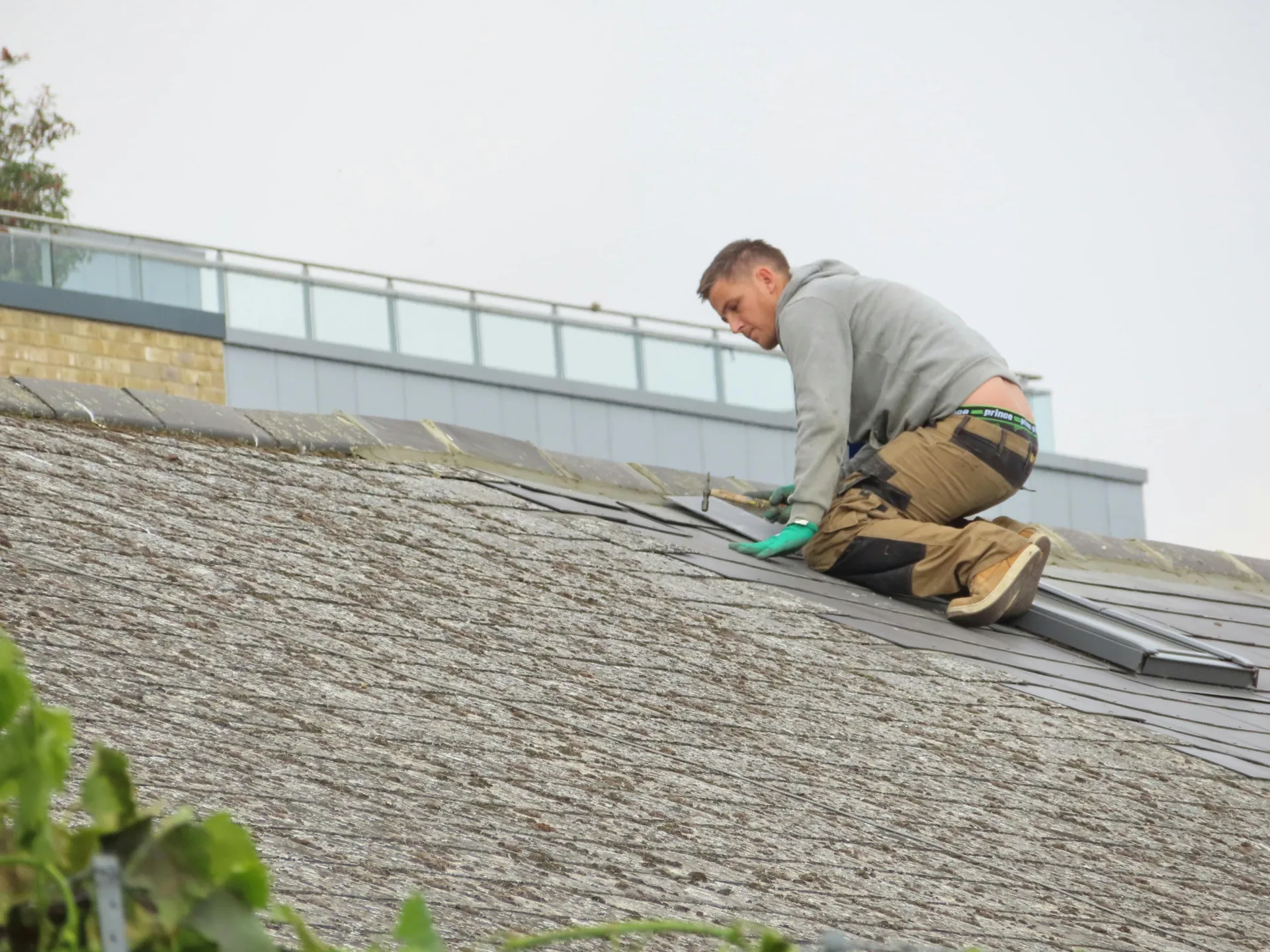
Leaky Roof Repair Tips to Stop Water Damage Before It Spreads
A small roof leak may not seem like a major issue at first, but it can quickly turn into a costly and destructive problem. Water intrusion can damage ceilings, insulation, electrical systems, and even the structural integrity of your home. That’s why understanding leaky roof repair and acting early is essential for every homeowner.
In this guide, we’ll explore the warning signs of roof leaks, common causes, and practical solutions for roof leak repair, along with expert insights on how professionals handle roof leaking repair and long-term prevention strategies.
Why Leaky Roof Repair Should Never Be Delayed
A roof is your home’s first line of defense against weather. When it starts to fail, even slightly, water can find its way inside. Delaying leaky roof repair can lead to:
- Mold and mildew growth
- Rotting wood structures
- Damaged insulation
- Increased energy bills
- Electrical hazards
- Structural weakening
What begins as a small drip can quickly escalate into major roof leakage repair costs if ignored.
Early Warning Signs of a Roof Leak
Detecting a leak early is the key to minimizing damage. Homeowners should watch for these common signs:
1. Water Stains on Ceilings or Walls
Brown or yellow stains often indicate water intrusion from above.
2. Dripping or Moisture in the Attic
Check your attic after heavy rain for wet insulation or visible drips.
3. Peeling Paint or Bubbling Walls
Moisture trapped behind surfaces can cause paint to lift or bubble.
4. Missing or Damaged Shingles
Shingles protect your roof, any damage can lead to leaks.
5. Musty Odors
A persistent damp smell often signals hidden moisture buildup.
Recognizing these signs early makes roof leak repair faster, easier, and less expensive.
Common Causes of Roof Leaks
Understanding what causes leaks helps prevent them in the future. Some of the most common issues include:
1. Damaged or Missing Shingles
Strong winds, rain, and aging can loosen or break shingles.
2. Clogged Gutters
Blocked gutters cause water to overflow and seep into roofing materials.
3. Cracked Flashing
Flashing around chimneys, vents, and skylights can deteriorate over time.
4. Poor Installation
Improper roofing work often leads to early leaks.
5. Aging Roof Materials
Older roofs naturally weaken, making roof leaking repair more frequent.
Temporary Fixes Before Professional Help Arrives
If you notice a leak during a storm, there are temporary steps you can take to minimize damage:
- Place buckets under active drips
- Move furniture and valuables away from the area
- Use tarps to cover exposed roof sections (if safely accessible)
- Contain attic leaks with plastic sheeting
These steps do not replace proper repair a leaking roof services, but they help reduce immediate damage.
Effective Roof Leak Repair Methods
When it comes to roof leak repair, the solution depends on the severity and location of the damage. Here are common professional methods:
1. Shingle Replacement
Damaged or missing shingles are replaced to restore protection.
2. Flashing Repair
Cracked or loose flashing is resealed or replaced to stop water entry.
3. Sealant Application
Roofing sealants are applied to small cracks or gaps.
4. Underlayment Repair
If water has penetrated deeper layers, the underlayment may need replacement.
5. Structural Repairs
In severe cases, damaged wood or support structures must be repaired or replaced.
Each roof leakage repair method targets a specific issue to ensure long-term protection.
How Professionals Repair a Leaking Roof
While DIY fixes may help temporarily, professionals follow a structured approach for long-lasting results. Here’s how experts typically repair a leaking roof:
Step 1: Inspection and Leak Detection
Roofing specialists identify the exact source of the leak, which is not always directly above the visible damage.
Step 2: Damage Assessment
They evaluate the extent of water damage to shingles, underlayment, and structural components.
Step 3: Repair Planning
Based on the findings, they determine the best roof leaking repair strategy.
Step 4: Execution of Repairs
Damaged materials are replaced, sealed, or reinforced using industry-standard techniques.
Step 5: Final Testing
After repairs, the roof is tested to ensure the leak is fully resolved.
This systematic approach ensures that the issue is fixed at its source, not just the surface.
DIY vs Professional Roof Leak Repair
While minor maintenance can be handled by homeowners, full leaky roof repair is best left to professionals.
1. DIY Can Handle:
- Cleaning gutters
- Temporary patching
- Visual inspections
2. Professionals Handle:
- Hidden leak detection
- Structural damage repair
- Full roof restoration
- Safe access to high or steep roofs
Attempting complex roof leak repair without experience can lead to injury or further damage.
Preventing Future Roof Leaks
Prevention is always better than repair. Here are ways to reduce the risk of future leaks:
- Schedule regular roof inspections
- Clean gutters and downspouts regularly
- Replace damaged shingles immediately
- Trim overhanging tree branches
- Ensure proper attic ventilation
- Address small issues before they grow
These preventative steps reduce the need for frequent roof leakage repair.
When to Call a Roofing Professional
You should contact a roofing expert immediately if:
- Water is actively leaking into your home
- You notice multiple leak points
- The roof is older than 15–20 years
- There is visible structural damage
- DIY fixes fail to stop the leak
Professional help ensures safe and effective repair a leaking roof solutions before the damage spreads further.
Conclusion
A leaking roof is more than just a minor inconvenience, it is a serious issue that can compromise the safety and comfort of your home. By understanding the early warning signs and acting quickly, you can prevent extensive damage and costly repairs.
Whether it’s simple patchwork or full roof leak repair, addressing issues early is key. Professional roof leaking repair services ensure that leaks are properly diagnosed and fixed at the source, providing long-lasting protection.
Don’t wait for a small drip to become a major disaster. With timely leaky roof repair, you can protect your home, preserve its value, and maintain peace of mind year-round.